
When you’re facing a major home expense, like water damage repair, most people want to “shop around,” and for good reason.
Getting multiple quotes is usually the smart consumer move, but it works best for planned renovations.
Unfortunately, most water damage is an emergency that requires quick, decisive action.
In this blog, we’ll help you decide whether you have time to shop around or you need to act fast.
Key Takeaways
- Getting multiple quotes for water damage restoration is a good idea if the situation isn’t an emergency, you’re facing a large reconstruction project, and/or the damage is stable.
- Shopping around for quotes may backfire if you have active water intrusion, you’re dealing with a sewer backup, there’s been a major storm event, or there’s already an adjuster involved in the claim.
- Call ServiceMaster Restoration by Zaba for fast, reliable water damage restoration services you can count on: (773) 647-1985.
The Pros of Getting Multiple Quotes
1. You’ll get to compare pricing
Water damage repair services can vary significantly in labor, materials, and equipment costs.
Getting multiple quotes gives you a clearer picture of what water damage restoration should cost for your specific situation.
2. You’ll get to vet the contractors you’re considering
Getting multiple quotes is a great way to compare insurance and credentials, and make sure the contractor you choose is licensed.
This will also give you the chance to identify potential red flags like vague estimates or contractors who propose way more work than anyone else you’ve spoken to.
3. You can avoid unnecessary work
Different companies may propose different approaches to your water damage emergency.
When you get multiple quotes, you can avoid unnecessary work and identify important differences in scope, including but not limited to demolition, mold prevention, drying, reconstruction, and cleanup.
4. It may make the insurance filing process easier
In some cases, getting multiple quotes can provide useful documentation for your insurance company and actually make filing a claim more streamlined.
When Getting Multiple Quotes Actually Makes Sense
While it’s not always the right approach, there are some legitimate reasons to do your due diligence:
- The situation isn’t an emergency. Anytime you’re planning for preventative maintenance, like waterproofing, or fixing relatively minor issues like seepage, you can take your time to shop for the best price.
- You’re looking at a large reconstruction project. Even if there was a water emergency, you can start shopping around for quotes after mitigation is complete and the rebuild phase has begun.
- The damage is stable. If the damage you’re facing is contained and not actively getting worse, or if you’ve already started the mitigation process, you can afford to shop around for multiple quotes.
The Cons of Getting Multiple Quotes for Water Damage
Even though we all want a great deal, price shopping sometimes isn’t the best choice when it comes to water damage.
Here’s why:
1. Chicago’s climate can take damage from bad to worse
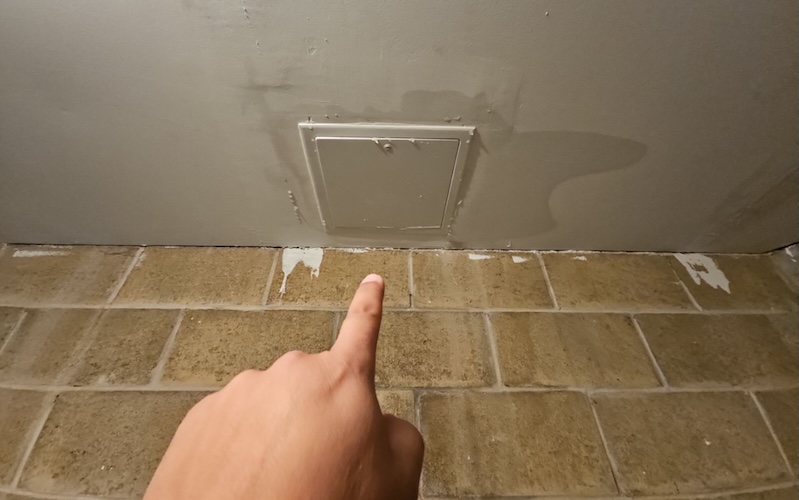
Water damage gets worse really quickly. What starts as a relatively manageable cleanup project can require total mold remediation if you leave it alone for even 24-48 hours.
The reason? Chicago’s wet, chilly climate.
Chicago’s freeze-thaw cycles and aging plumbing make water damage especially unpredictable, while high humidity means damp areas stay damp unless they’re professionally dried.
This means that every hour spent scheduling and waiting for multiple estimates is an hour that mold spores spend growing, proliferating, and filling your home.
Say a homeowner in Des Plaines waits two days to phone around for three quotes after a pipe bursts. By the time they choose, mold has spread from the basement into the HVAC systems, which adds roughly $1,060–$3,355 in mold remediation costs.
2. Hidden damage usually isn’t visible in initial quotes
To get an accurate water damage estimate, you’ll need professional equipment like moisture meters and thermal imaging. Sometimes, a team of professionals will even need to open walls to assess damage.
Unfortunately, the older homes throughout Chicago are pretty good at hiding water damage, thanks to thick walls, ceilings, and floors that don’t display the damage during a quick walk-through.
This means that companies providing “free estimates” often significantly underestimate costs and are forced to revise their initial quotes once they get into the work.
Here’s an example of how this could work:
Company A quotes $3,000 based on visible damage in a Rogers Park bungalow. Company B quotes $5,000 after moisture detection reveals a saturated subfloor and hidden pipe leaks. The “cheaper” quote wasn’t cheaper – it was just incomplete.
3. The “Low Quote” trap is a real risk
In emergency water damage situations, some companies offer low quotes to win jobs, then inflate the job cost once a customer is committed.
These “supplemental charges” could include equipment rental fees, disposal costs, and unexpected labor fees, which only appear after the job is in progress.
Here’s an example of how this could occur:
A Chicago homeowner chose a company quoting $2,500 less than competitors after a basement flood in Irving Park. They get a final bill that’s $4,000 higher than the original “expensive” quotes due to equipment fees and “discovered” damage.
4. There are storm chasers and opportunists everywhere
After major weather events, like Chicago’s harsh summer storms or winter freezes, out-of-town contractors usually come in and flood the market with low quotes.
Unfortunately, these companies usually lack local licensing, proper insurance, or even a physical Chicago address, and many disappear before warranty issues have a chance to crop up.
Here’s an example:
After a major flood event in Chicago, a homeowner in Berwyn hires a “too good to be true” contractor who vanishes after the payment has been made, leaving an unfinished job and a customer with no recourse for compensation.
5. Delayed mitigation may void your insurance coverage
Your homeowners insurance policy may require you to take reasonable steps to prevent additional damage to your property.
The Illinois Department of Insurance recommends making necessary temporary repairs as soon as possible, so don’t delay emergency water mitigation while you collect multiple estimates.
Waiting too long could allow the damage to spread and make your loss more extensive.
When You Shouldn’t Get Multiple Quotes
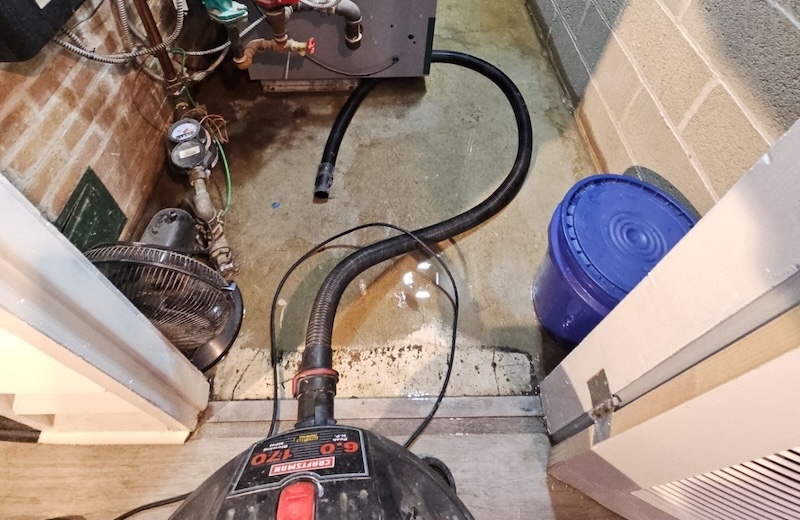
In some cases, shopping around will backfire.
Here’s when you should avoid it:
- You have active water intrusion. If water is still actively flowing into the home, every minute counts and you can’t afford to look for a great deal.
- There’s a sewage backup. Category 3 water (water with a high concentration of dangerous contaminants) poses significant and immediate health risks and requires a same-day response.
- There’s been a major storm event. When an entire neighborhood is affected, the best companies fill their books quickly. This means that the longer you wait, the fewer options you’ll have.
- There’s an insurance claim in progress. If an adjuster is already involved in the restoration, adding multiple vendors will only lead to confusion and delays.
How to Choose a Water Damage Company in Chicago
1. Check the company’s credentials
To make sure you’re working with a reputable vendor, look for someone with IICRC certification, Illinois licensing, and BBB accreditation.
2. Ask about insurance coordination
Companies that have experience filing insurance claims in Illinois and working with major providers can help make the claims process easier and more streamlined.
3. Verify a local presence
Make sure the company you’re considering working with has a Chicago-area address and local phone number. This keeps you from falling victim to storm chasers and other predatory companies.
4. Read reviews from actual customers
Search Google, Facebook, and BBB for recent reviews and look for feedback about the company’s communication, timeliness, and billing.
5. Find a company that offers emergency response and comprehensive service
Water damage gets worse the longer you wait, so it’s important to move quickly.
Look for a company that will prioritize your needs, such as ServiceMaster by Zaba. We offer 24/7 emergency response and a local Chicago presence, so you can always count on our teams to get your job done quickly.
We also offer full-service capability, from mitigation to reconstruction, with expertise in Chicago-specific issues like basement flooding, frozen pipes, and sewer backup.
Trust ServiceMaster Restoration by Zaba With Your Chicagoland Water Damage Needs
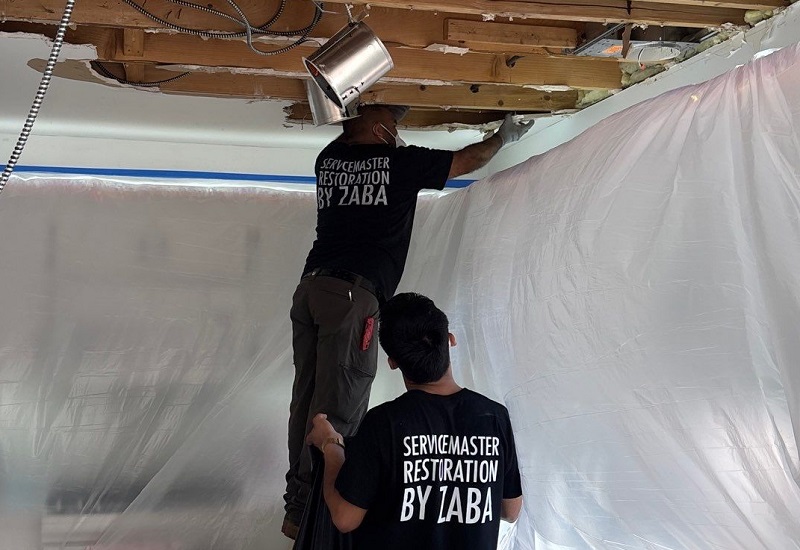
While it’s smart to get multiple quotes for planned projects, most water damage situations are an emergency – especially in Chicago.
In most cases, delays only cause increased damage, higher costs, and potential insurance problems.
With this in mind, don’t wait – trust ServiceMaster Restoration by Zaba for reliable water damage restoration services and ethical pricing.
Contact us today to learn more about our team, our locations, and how we can help you reclaim your space: (773) 647-1985.
FAQs
How quickly can water damage lead to mold in Chicago?
Mold can begin growing within 24 to 48 hours of water damage, especially in warm, damp areas. To prevent this, remove standing water and start the drying process as quickly as possible.
Will my Chicago homeowner's insurance cover water damage restoration?
This depends on your policy and the cause of the damage. Sudden, accidental events such as a burst pipe may be covered, while gradual leaks, flooding, or poor maintenance usually aren’t.
How long does water damage restoration take?
Restoration of minor water damage may take a few days, but extensive damage can take several weeks. The timeline depends on the amount of water, affected materials, drying conditions, and whether repairs are needed.
How much does water damage restoration cost in Chicago?
Water damage restoration costs vary based on the source of the water, the number of rooms affected, the materials involved, and the amount of drying, demolition, and cleanup required.
As a general guide, ServiceMaster Restoration by Zaba’s pricing typically starts around:
- $1,800–$2,000 for appliance leaks and some condo water damage
- $2,000+ for HVAC leaks
- $2,500+ for basement flooding, sewer backups, foundation seepage, and roof leaks
- $2,500–$3,000+ for bathtub, sink, or toilet overflows
- $1,800 for a burst pipe affecting about two rooms, around $3,000 for three to four rooms, and up to $10,000 or more for larger losses
These are starting estimates rather than fixed prices. The final cost depends on how much water entered the property, how long materials remained wet, whether contaminated water is involved, and whether flooring, drywall, insulation, cabinets, or other materials need to be removed.
After-hours, weekend, and holiday service may also include additional charges.
What should I do while waiting for a restoration company to arrive?
If you can do so safely, stop the source of the water, shut off the water supply, and remove valuables from the affected area. Avoid electrical hazards and contaminated water, and document the damage for your insurance claim.


