
24/7 Emergency Response
Sewage Cleanup Chicago, IL
Direct Insurance Billing | Payment Plans Available
Your Local Team for Safe Sewage Removal
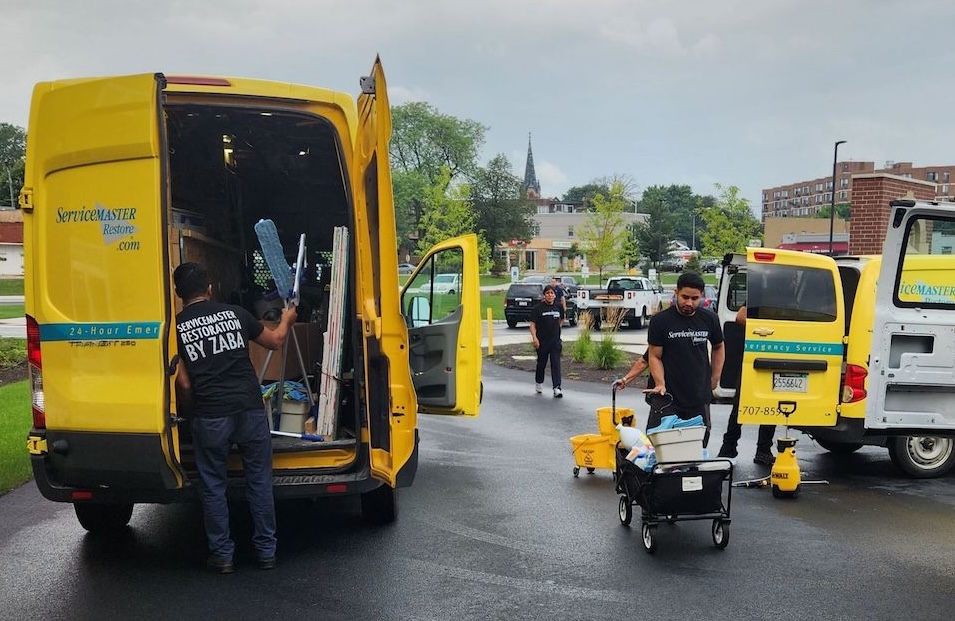
There’s a lot to love about Chicago’s charm and tight-knit communities, but the city’s aging sewer systems and heavy rainfall mean sewage backups happen more often than we’d like.
When sewage enters your space, you’re dealing with a health emergency that’s scary and overwhelming, and you shouldn’t have to handle it alone.
At ServiceMaster Restoration by Zaba, we understand how urgent this is. We respond immediately to extract the sewage, remove all contaminated materials, sanitize affected spaces, and make your home safe again.
What to Do Right After a Sewage Backup
If sewage just flooded your home, it’s hard to know what the right move is. Here are the immediate steps to protect yourself and limit the damage:
Stop the water if you can
If it's coming from a toilet or fixture you can access safely, turn off the water supply . Don't touch anything contaminated without protection.
Get everyone out of the affected area
Sewage contains harmful bacteria, viruses, and pathogens that can make you seriously ill. Keep children and pets away from contaminated spaces.
Don't try to clean it yourself
Raw sewage isn't like a regular spill. It requires professional equipment, protective gear, and EPA-registered disinfectants. Attempting DIY cleanup puts your health at risk and can spread contamination.
Call us immediately
The longer sewage sits, the more damage it causes. Floors warp, drywall absorbs contamination, and mold starts growing within 24 to 48 hours. We'll arrive fast with the right tools to handle it safely.
Document everything for insurance.
Take photos and videos of the damage from a safe distance. This helps your claim go smoothly, and we can assist with the documentation process when we arrive.
How We Restore Your Property
1. Find the Source of the Backup
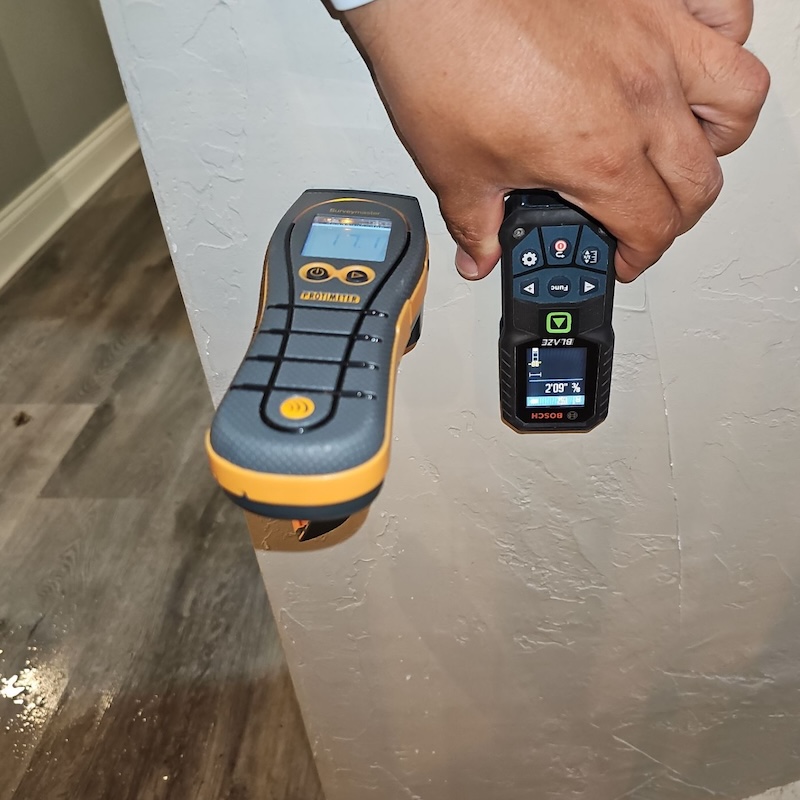
We inspect your property using moisture meters and thermal imaging to locate the exact source, whether it’s a collapsed sewer line, a clogged main, or an overflow from a fixture.
2. Create a Cleanup & Repair Plan
We walk you through what needs to be done, from containment and demolition to full disinfection and restoration. You’ll get a clear estimate and timeline before we begin.
3. Extract Sewage and Begin Drying
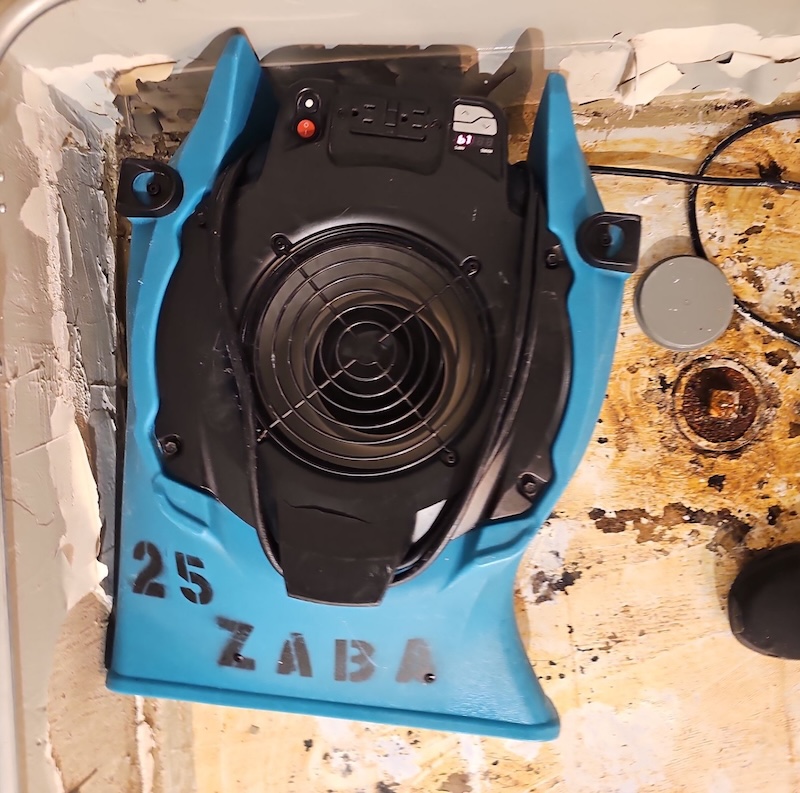
We pump out all contaminated water using professional-grade extractors, then set up air movers and dehumidifiers to dry the structure thoroughly.
4. Sanitize and Decontaminate
We clean all affected surfaces with EPA-registered disinfectants and apply antimicrobial treatments. This step kills bacteria, removes odors, and prevents mold.
5. Repair and Restore
We replace damaged drywall, insulation, flooring, and fixtures – restoring your home or business to a clean, safe, pre-loss condition. All work is backed by our one-year warranty.
Need Help Paying Out of Pocket?
We have partnered with GreenSky to offer you flexible payment options, with 0% Interest for the first 6 Months.
What's Causing Sewage to Back Up
in Your Home?
Chicago’s aging infrastructure and heavy rainfalls make sewer backups a common issue, especially in neighborhoods with older plumbing systems, such as Logan Square and Forest Glen.
The most frequent causes include:
- Blocked or collapsed sewer lines
- Tree roots growing into sewer pipes
- Heavy rainfall overwhelming the city sewers
- Sump pump failures
- Flushing non-flushable items (wipes, grease, hygiene products)
- Deteriorating or corroded pipes
- Structural defects in older sewer systems
- Sewer line backups from the city main

Real Results: Case Study
How We Restored an Edison Park Home After a Severe Sewer Overflow
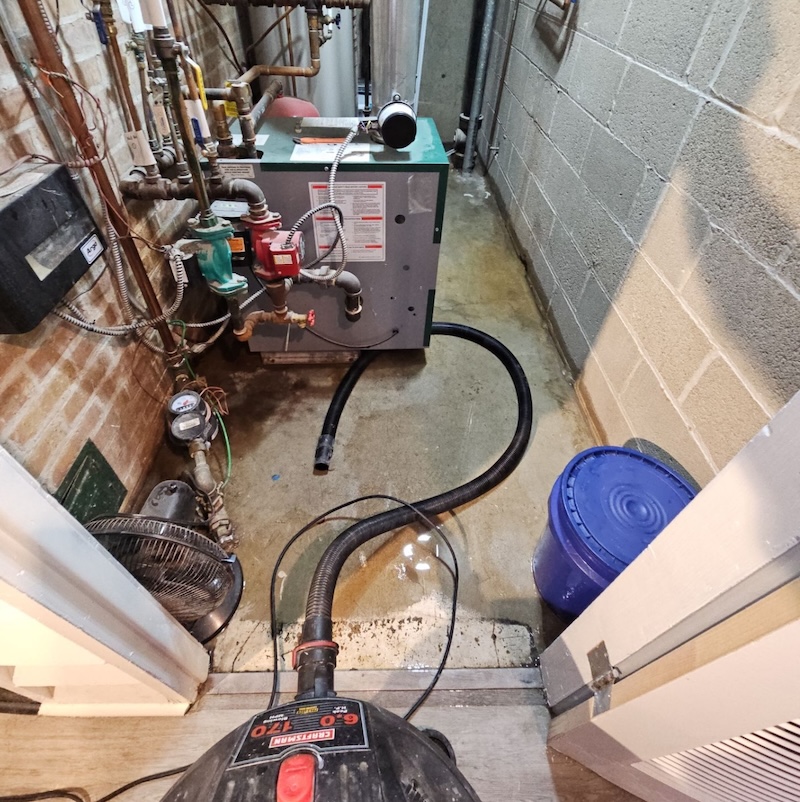
The call came from a family in Edison Park. Sewage was pouring into their home, and it wasn’t stopping. What started in the bar nook quickly spread through the family room, hallway, bathroom, and boiler room. Room after room.
We got there as fast as we could.
Sewage doesn’t just sit on the surface. It soaks into flooring, seeps behind walls, saturates everything. We had to move quickly but carefully.
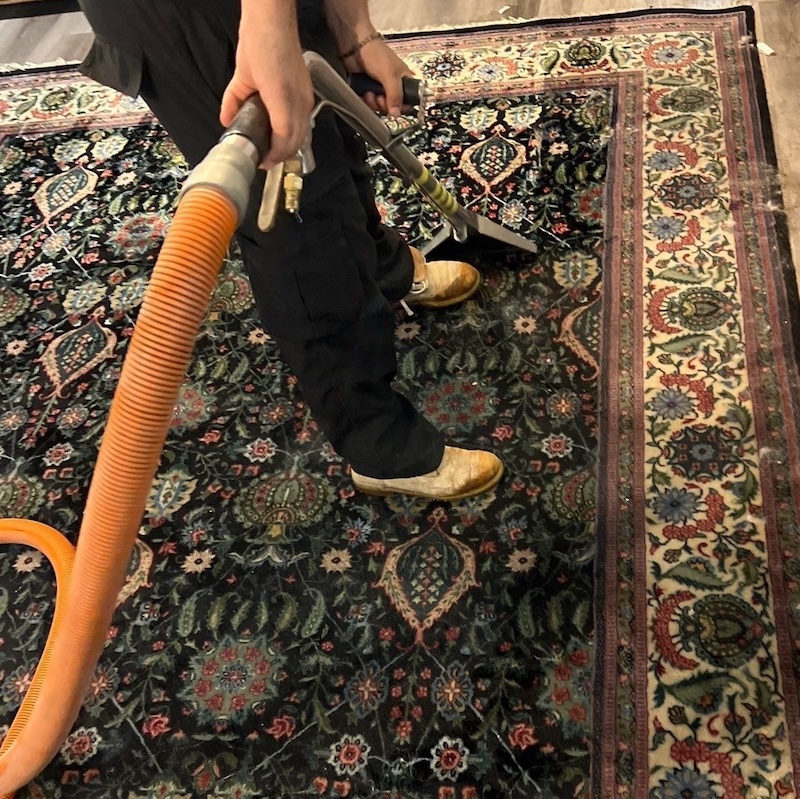
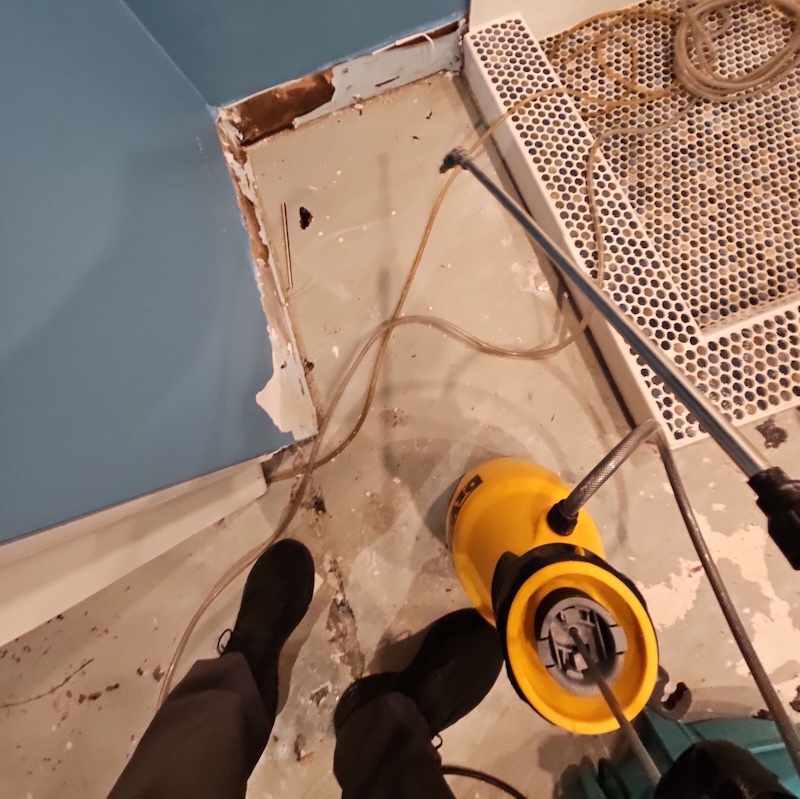
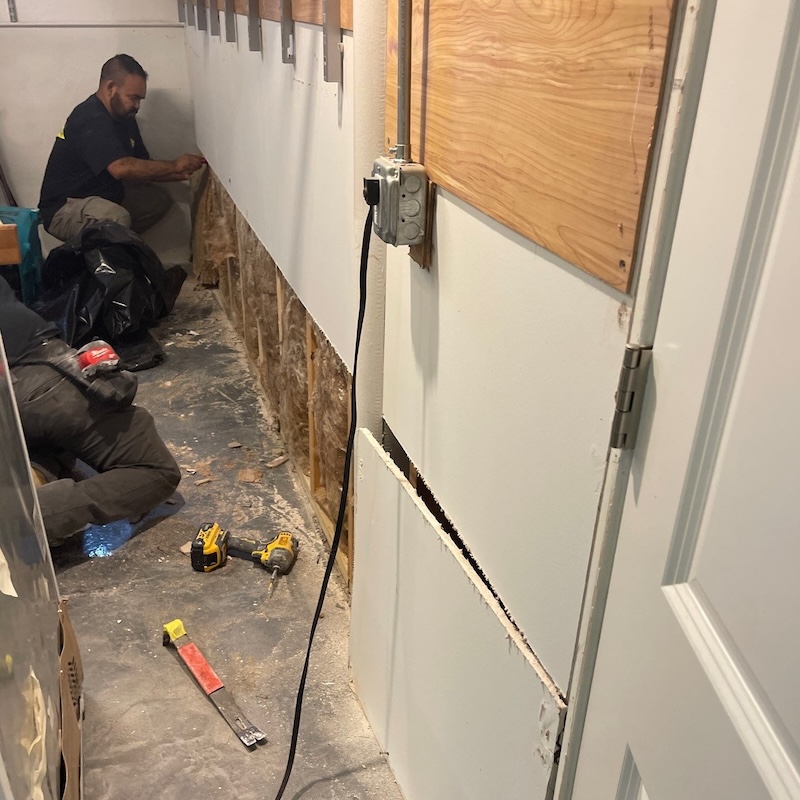
We started in the bar nook. We pulled baseboards, steam-cleaned floors, and extracted contaminated water. In the family room, we tore out ruined laminate flooring and soaked padding, then cut away four feet of drywall from the columns and stairway wall.
The hallway, bathroom, boiler room, tool room, sound room, and closet all needed the same thorough treatment. Baseboards removed, drywall cut back, flooring torn out, standing water pumped out, everything disinfected.
When we finished, the home was completely dry and safe. No smell. No contamination. No mold risk. The family could move forward with rebuilding, knowing their home was truly clean again.
What Customers Say
Act Fast – Call Now for Immediate Help!
We know how stressful it is when sewage floods your property. Raw sewage is dangerous, and waiting can turn a manageable cleanup into thousands of dollars in additional damage.
Since 2008, we’ve helped hundreds of Chicago families and businesses through sewage emergencies, and we’re ready to help you too.
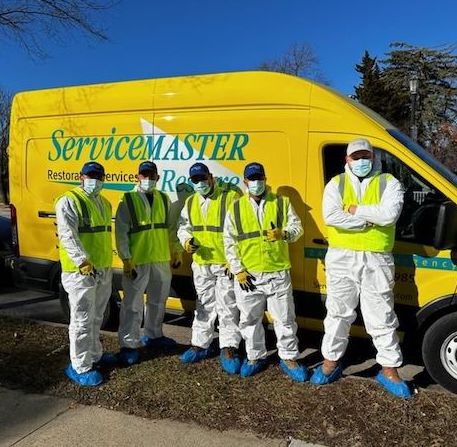
Our IICRC-certified crews are available 24/7 and will arrive within 60 to 90 minutes of your call. We handle insurance billing directly, offer flexible payment plans if needed, and back all our work with a one-year warranty.
Call us now or fill out our contact form for a free on-site estimate and immediate help.
FAQs
What does sewage cleanup usually cost?
In Chicago, most sewage cleanup jobs range between $3,000 and $8,000, depending on how much contamination is present and how many rooms are affected.
Category 3 water requires extensive safety precautions, sanitizing, and demolition. Delaying cleanup often increases costs significantly.
Will my homeowners insurance cover the restoration?
Will my homeowners insurance cover the restoration?
Typically, most policies cover water damage, excluding your deductible.
We recommend checking with your insurance agent. Our team can help document the damage and speak directly with your adjuster.
Can I get financing for repairs?
Yes. We partner with GreenSky to offer flexible financing options.
If you’re paying out of pocket or waiting on insurance, we’ll help you start cleanup without delays or added financial stress.
How long does professional sewage cleanup take in Chicago?
Most sewage cleanup jobs take 3 to 7 days from start to finish, depending on how much contamination is present and how many rooms are affected.
The extraction and initial sanitization usually happen within the first 24 hours. Drying the structure takes 2 to 4 days, and then we complete demolition, disinfection, and restoration.
Larger jobs or homes with extensive damage may take longer. We'll give you a clear timeline during our initial assessment.
Give us a call or fill out the form to reach our experts.
"*" indicates required fields