
Chicago’s harsh winters and humid, stormy summers create ideal conditions for mold in your attic, especially if your roof or ventilation isn’t working properly.
At ServiceMaster Restoration by Zaba, we’ve been removing mold from Chicagoland homes for decades, and we know how quickly it can grow, damage your home, and affect your health if you don’t act fast.
In this guide, you’ll learn what causes attic mold growth, common signs to watch for, and what you should do if you find mold.
Key Takeaways
- Roof leaks, poor ventilation, excessive indoor humidity, snow and ice accumulation, and insufficient or damaged insulation can cause mold to grow in your attic.
- Signs that you have mold in your attic include musty odors, visible water damage, peeling paint, increased allergy symptoms, and higher energy bills.
- If you suspect mold growth in your home, call ServiceMaster Restoration by Zaba in Chicago to schedule a free mold inspection: (773) 647-1985
What Causes Mold Formation in Attics
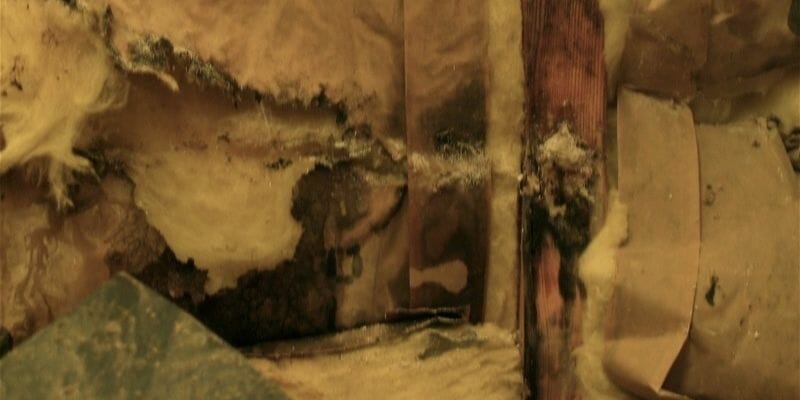
Roof Leaks
Chicago experiences a wide range of weather conditions that can cause your roof to leak.
From heavy snow and ice in the winter to severe thunderstorms with high winds and hail during the spring, these weather events may damage your roof and allow moisture in.
When wood, drywall, and other items stored in your attic become wet, mold begins to grow on them.
Poor Ventilation
Proper roof venting helps prevent humid air from getting trapped in your attic.
Whether it’s outdoor humidity that comes with Chicago’s summers or excessive indoor humidity, warm, damp air needs to escape your attic.
When it doesn’t, condensation forms and mold begins to grow.
Insufficient or Damaged Insulation
Insulation helps keep excessive humidity and high temperatures from heating your attic.
If you don’t have enough insulation, or the insulation you have has water damage, it’s the perfect environment for mold to grow.
Snow Accumulation on Your Roof
Wintertime in Chicago brings heavy snowfall and freezing temperatures.
Those plummeting temperatures may result in ice dams forming on your roof.
Snow and ice that weaken and eventually penetrate your roof, resulting in mold growing in your attic.
How to Tell if There’s Mold in Your Attic

Musty Odors
Persistent musty odors in your home, and especially in your attic, may point to mold growth.
These odors tend to get stronger in humid weather or when the attic hasn’t been ventilated properly.
Visible Water Damage
Brown spots on ceilings and walls point to water damage in your attic.
Since mold thrives in damp environments, you should treat any visible water damage as a potential warning sign.
Peeling Paint
When drywall gets wet, the paint or wallpaper covering it starts to peel.
Even small patches of peeling paint near the corners of your walls can indicate water damage, which creates the ideal environment for mold to grow.
Increased Allergy Symptoms
Mold typically affects the respiratory system first, which means wheezing, coughing, sneezing, and even itchy eyes can point to a mold problem in your home.
These issues are especially problematic if anyone in your home has asthma or other respiratory problems.
Higher Energy Bills
If the insulation in your attic becomes damp, it also becomes less effective at keeping conditioned air in your house, which can cause a sudden uptick in your monthly energy bills.
What To Do If You Find Mold
Limit Exposure and Avoid Disturbing the Area
Once you find mold in your attic, try to limit how much time you spend in the space.
Disturbing the area can result in mold spores spreading, making the mold infestation worse.
Stay Safe
If you do have to go into your attic, be sure to protect yourself. Wear protective gear, including a mask, to avoid breathing in airborne mold spores.
Avoid DIY Cleanup
Some tasks don’t lend themselves to the DIY lifestyle, including mold cleanup.
Mold spores can expand beyond the spots you can see, so it’s best to let a professional mold remediation company find and remove the mold in your attic.
Call ServiceMaster by Zaba for Mold Remediation
Our team begins the mold cleanup process by thoroughly inspecting the area, determining what caused the water damage, and mapping the extent of the moisture.
We then set up sealed contaminant systems to prevent spores from spreading and remove the affected materials from your attic.
We’ll clean the surface with commercial-grade antimicrobials and set up air filtration systems.
We then replace the affected drywall and other materials to completely restore your attic.
How to Prevent Attic Mold in Your Chicago Home
- Improve attic ventilation: Make sure that you have a balanced system of air intake and exhaust so moisture can escape instead of being trapped in your attic.
- Seal air leaks from the living space: Close gaps around light fixtures, attic hatches, ductwork, and wiring to prevent warm, humid indoor air from rising into the attic and condensing.
- Ensure proper insulation levels: Adequate insulation helps keep warm air inside your home and reduces the temperature differences that lead to condensation in the attic.
- Control indoor humidity: Invest in a dehumidifier to keep excessive humidity from forming condensation in your attic.
- Schedule periodic attic inspections: Having your attic checked regularly by a mold remediation company can help catch early signs of moisture or ventilation problems before mold has a chance to develop.
Need Professional Mold Remediation? Turn to ServiceMaster by Zaba
Don’t wait until mold takes over your attic – spot the warning signs early and take action before it threatens your family’s health and costs you thousands in repairs.
If you suspect that you have mold in your Chicago home, let ServiceMaster by Zaba inspect, clean, and restore your attic.
Contact us today at (773) 647-1985.
FAQs
How much does attic mold removal cost in Chicago?
What you pay for attic mold removal in Chicago depends on how far the mold has spread. Catch it early, and you’ll likely deal with a minor, affordable removal.
But if you let it grow, you could find yourself replacing multiple sheets of drywall and other materials, turning a small fix into a major expense.
Is mold in the attic dangerous?
Yes, mold growth in your attic is dangerous. Mold, especially toxic mold, can cause a wide range of health issues, including severe respiratory problems.
What are the common types of mold found in attics?
Some of the most common types of mold found in attics include Aspergillus, Cladosporium, Black Mold, and Penicillium.


